
Chimney Crowns: The Most Important Part of Your Chimney You’ve Probably Never Heard Of
Most homeowners know the basics of a chimney.
There’s the fireplace.
There’s the brick.
There’s the part Santa allegedly uses once a year.
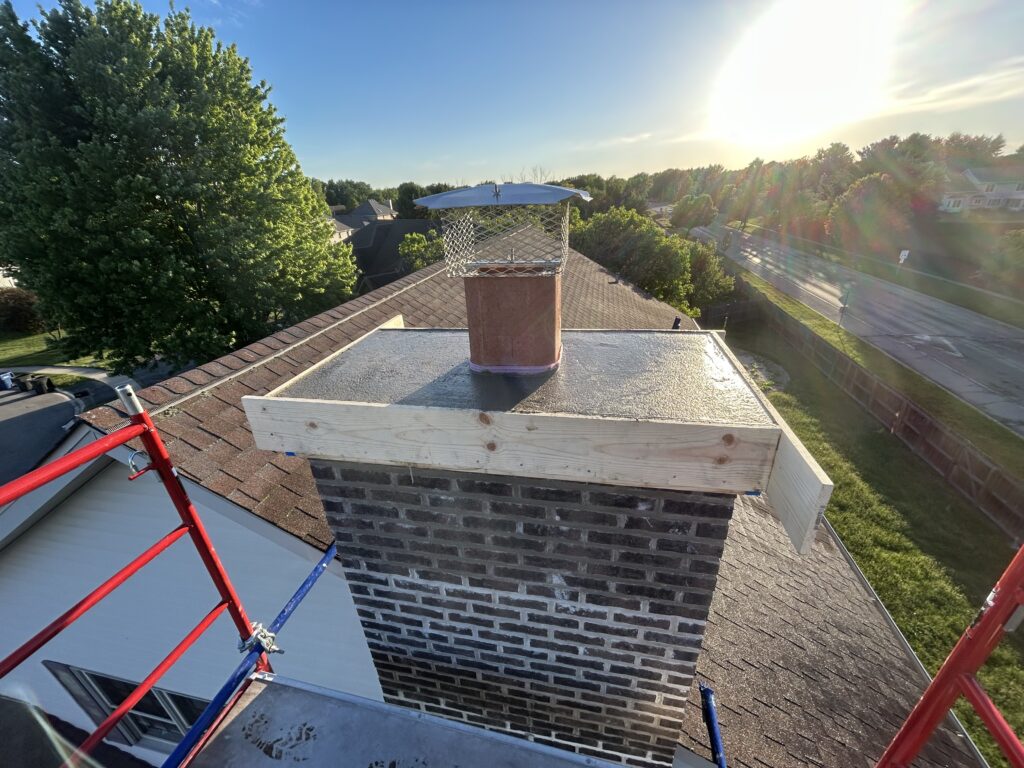
But sitting at the very top of your chimney is one of the most important protective components of the entire system: the chimney crown. It usually looks like a giant piece of concrete nestled on top of al the masonry.
And despite doing a massive amount of work, chimney crowns rarely get attention until something starts leaking, cracking, or falling apart.
Let’s fix that!
What Is a Chimney Crown?
A chimney crown is the concrete slab located at the very top of a masonry chimney.
Its job is simple but critical:
It protects the chimney structure from water intrusion.
The crown is designed to direct rainwater away from the chimney opening and masonry surfaces. A properly built crown includes an overhang and slope that helps move water away efficiently.
Without a functioning crown, water can seep directly into the chimney system and begin causing damage surprisingly fast.
Think of the chimney crown as the roof of your chimney. Because technically… that’s exactly what it is.
Why Chimney Crowns Matter So Much
Water is one of the biggest enemies of masonry chimneys.
When moisture enters brick and mortar, especially in climates with freeze-thaw cycles like Illinois, it can lead to serious deterioration.
A damaged chimney crown can contribute to:
- Cracked masonry
- Leaking chimneys
- Interior water damage
- Rusted dampers
- Flue liner damage
- Mold and mildew issues
- Spalling bricks
- Structural instability
And unfortunately, water damage rarely stays “small.”
What begins as a tiny crown crack can eventually turn into thousands of dollars in repairs.
Water is patient like that.
Signs Your Chimney Crown May Be Damaged
Many chimney crown problems start subtly.
Here are some common warning signs homeowners should watch for.
Visible Cracks
Small cracks in the crown can expand over time as moisture freezes and thaws.
Pieces Breaking Off
If sections of the crown are chipping or crumbling, deterioration is already progressing.
Water Leaks Around the Fireplace
Stains on walls or ceilings near the chimney can indicate water intrusion from above.
White Staining on Brick (Efflorescence)
That chalky white residue on masonry is often a sign that moisture is moving through the chimney.
Rusted Fireplace Components
Rust on the damper or firebox can point to ongoing water exposure.
Loose or Deteriorating Mortar
Moisture entering from the crown can slowly weaken mortar joints throughout the chimney structure.
Common Causes of Chimney Crown Damage
Weather Exposure
Your chimney crown faces constant exposure to rain, snow, ice, UV rays, and temperature changes.
Over time, even quality crowns experience wear.
Poor Construction
Improperly built crowns often crack prematurely.
Crowns that are too thin, flat, or made with improper materials tend to fail much faster.
Lack of Waterproofing
Without proper protection, moisture absorption accelerates deterioration.
Age
Like any exterior structure, chimney crowns naturally degrade over time.
Some crowns last decades. Others barely survive a few Illinois winters before waving the white flag.
Chimney Crown Repair vs. Replacement
The good news is that not every damaged chimney crown requires a full rebuild.
Crown Repair
Minor cracks and surface deterioration can often be repaired using professional crown sealants or resurfacing products designed specifically for chimney systems.
These repairs help prevent moisture intrusion and extend the life of the chimney.
Crown Replacement
If the crown has severe cracking, structural failure, or major deterioration, replacement may be necessary.
A properly constructed replacement crown provides long-term protection and significantly improves chimney durability.
Professional inspections help determine which option makes the most sense.
Why DIY Repairs Usually Don’t Last
It’s tempting to grab a bucket of hardware store cement and attempt a quick fix.
Unfortunately, many DIY crown repairs fail because standard mortar and patch materials aren’t designed for chimney crown expansion and weather exposure.
Temporary fixes often crack again within a season or two.
And climbing onto a roof with a bucket of concrete and “YouTube confidence” isn’t always the safest plan.
Professional chimney technicians use specialized materials designed specifically for crown performance and weather resistance.
How to Protect Your Chimney Crown
Preventative maintenance is the best way to avoid expensive chimney damage.
Here are the best ways to protect your chimney crown:
- Schedule annual chimney inspections
- Repair small cracks early
- Install a quality chimney cap
- Waterproof the chimney masonry
- Address leaks immediately
- Keep up with regular maintenance
Small maintenance now can prevent major repairs later.
Final Thoughts
Chimney crowns may not be the most glamorous part of your home, but they play a huge role in protecting your chimney system from costly water damage.
A properly maintained chimney crown helps extend the life of your masonry, improves chimney performance, and protects your home year-round.
If you’ve noticed cracking, leaks, or signs of chimney deterioration, now is the perfect time to schedule a professional inspection.
At Brickhaus Chimney, we help homeowners identify chimney crown problems early and provide lasting repair solutions that keep chimneys safe, strong, and weather-resistant.
Because when it comes to chimney damage, what’s happening at the top usually affects everything below it.