
Animal Intrusion in Your Chimney: Cute Outside, Costly Inside
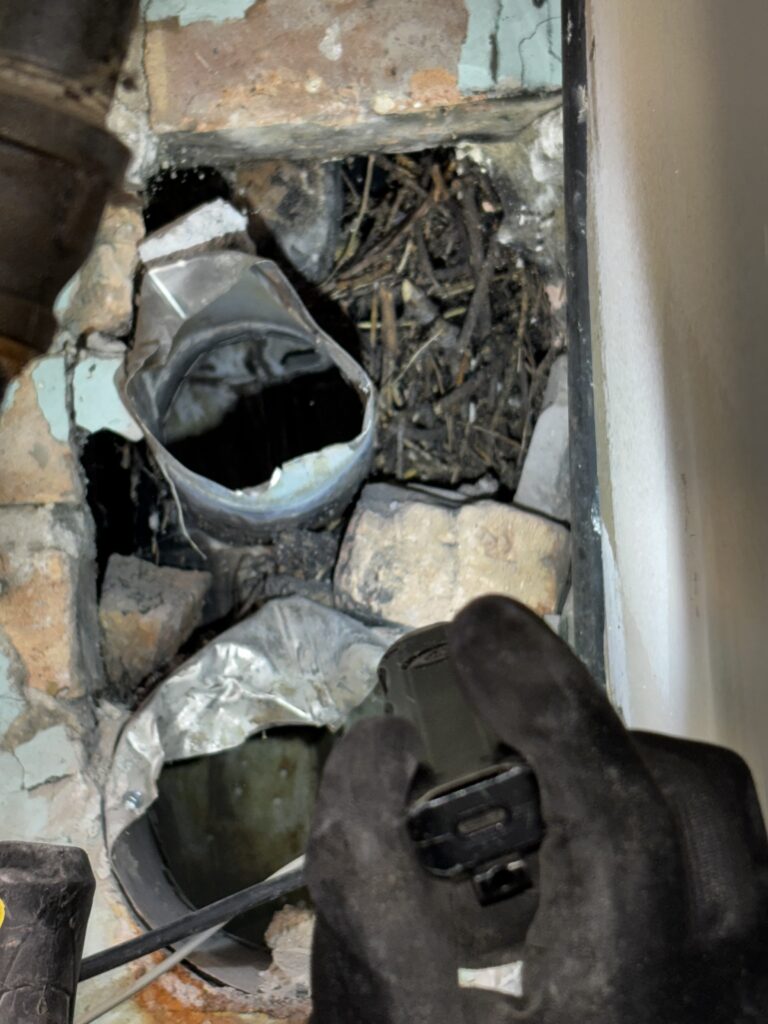
There’s something charming about wildlife… when it’s outside. A squirrel leaping through the trees? Adorable. Birds chirping in the morning? Peaceful. Raccoons? Well… debatable. But the moment those furry little tenants decide your chimney is now their new condo, things can go downhill quickly.
Animal intrusion is one of the most common chimney issues homeowners face, especially during spring and fall when animals are searching for warm, sheltered nesting spots. Unfortunately, your chimney checks all the boxes for “luxury wildlife real estate.”
Before your fireplace turns into a nature documentary, here’s what homeowners should know.
Why Animals Love Chimneys So Much:
To animals, a chimney looks safe, warm, elevated, and protected from predators. It’s basically a tree hollow with better insulation.
Common chimney intruders include:
- Squirrels
- Raccoons
- Birds (especially chimney swifts)
- Bats
- Mice
- Occasionally… things homeowners swear were “definitely too big to be a squirrel.”
Once inside, animals may build nests, get trapped, damage chimney components, or block airflow completely.
And yes — raccoons somehow always sound like a full-grown human moving furniture at 2 a.m.
Signs You May Have Animals in Your Chimney
Sometimes the signs are obvious. Other times, homeowners mistake them for “house noises” until things escalate.
Here are the most common warning signs:
Strange Noises
Scratching, chirping, scurrying, or thumping sounds coming from the fireplace or chimney walls usually indicate animal activity.
Unpleasant Odors
A strong smell coming from the fireplace can mean nesting material, droppings, or in some unfortunate situations, an animal that couldn’t find its way back out.
Debris Falling into the Fireplace
Twigs, leaves, feathers, or nesting materials inside your firebox are major red flags.
Smoke Problems
If smoke suddenly backs into your home, an animal nest may be blocking proper ventilation.
Visible Animal Activity
Seeing animals entering or exiting the chimney cap area is the clearest sign your chimney has become somebody else’s address.
Why Animal Intrusion Is a Serious Problem
Animals in a chimney aren’t just noisy roommates. They can create major safety hazards.
Fire Hazards
Nests are highly flammable. Dry twigs, leaves, and debris can ignite quickly once a fireplace is used.
Carbon Monoxide Risks
Blockages can prevent dangerous gases from venting properly, increasing the risk of carbon monoxide entering your home.
Chimney Damage
Animals can scratch flue liners, damage dampers, clog smoke chambers, and leave behind moisture and debris that accelerate deterioration.
Health Concerns
Animal droppings, parasites, bacteria, and odors can create unhealthy indoor air conditions.
In short: your chimney should vent smoke — not host a wildlife convention.
The Biggest Mistake Homeowners Make
One of the most common mistakes is trying to “smoke the animals out” by lighting a fire.
Please don’t.
Besides being dangerous and inhumane, it can create:
- Chimney fires
- Smoke damage
- Injured animals trapped inside the flue
- Emergency repair costs
Professional removal is always the safest solution.
How Professionals Remove Animals Safely
At Brickhaus Chimney, animal intrusion is handled carefully, safely, and thoroughly.
A professional chimney inspection helps identify:
- The type of animal
- Nest location
- Chimney blockages
- Structural damage
- Entry points
Once the animal is safely removed, the chimney is cleaned and inspected to ensure it’s safe for use again.
Because removing the animal is only half the job. Preventing the next family reunion is the important part.
The Best Way to Prevent Animal Intrusion
The single best defense against chimney animals is a properly installed chimney cap.
A quality chimney cap:
- Keeps animals out
- Prevents rain entry
- Reduces debris buildup
- Helps prevent downdrafts
- Adds protection against moisture damage
Think of it as a security system for your chimney — except it works 24/7 and doesn’t send you app notifications at midnight.
Annual chimney inspections also help catch damaged caps, loose masonry, or entry points before animals move in.
When to Schedule a Chimney Inspection
If you suspect animals are inside your chimney, it’s important to schedule an inspection as soon as possible.
The longer animals stay inside, the greater the risk of:
- Nest buildup
- Odor problems
- Chimney blockages
- Structural damage
- Expensive repairs
Even if everything seems quiet now, hidden nests and debris can remain long after animals leave.
Final Thoughts
Wildlife belongs outdoors — not inside your chimney.
Animal intrusion may start as a minor nuisance, but it can quickly become a major safety and repair issue if ignored. Professional inspections, proper chimney caps, and routine maintenance go a long way toward keeping your fireplace safe, clean, and animal-free.
And while squirrels may be excellent climbers, they’re terrible tenants.
If you suspect animals have made themselves at home in your chimney, Brickhaus Chimney is here to help with professional inspections, cleanings, repairs, and chimney cap installations designed to keep your home protected year-round.