
Changing a Gas Appliance? Why Your Chimney Must Be Inspected—and Why Stainless Steel Liners Are Now Code
The Hidden Risk When Replacing a Gas Appliance
Upgrading a gas furnace, boiler, or water heater feels like a smart move. With better efficiency, lower energy bills, and improved comfort what is there to lose? But what many homeowners don’t realize is that changing a gas appliance can create serious chimney and venting hazards if the system isn’t evaluated properly.
Your chimney wasn’t designed for “any” appliance, it was designed for a specific size, efficiency level, and exhaust temperature based on old gas appliance technology. When that changes, the chimney system must be reassessed.
This is where a certified chimney professional comes in.
Why a Chimney Inspection Is Critical After Appliance Changes
Modern gas appliances burn much more efficiently than older units. While that’s great for energy savings, it also means:
- Lower exhaust temperatures
- Increased moisture in flue gases
- Higher risk of condensation inside the chimney
Without proper venting, this moisture can:
- Cause extensive damage to your clay flue tiles
- Break down mortar joints/ Efflorescence (White powder on masonry)
- Cause flue blockages
- Allow dangerous gases like carbon monoxide to spill back into the home
A chimney inspection ensures your venting system is safe, sized correctly, and compliant with current building codes.
Stainless Steel Liners: Not Optional—Now Code
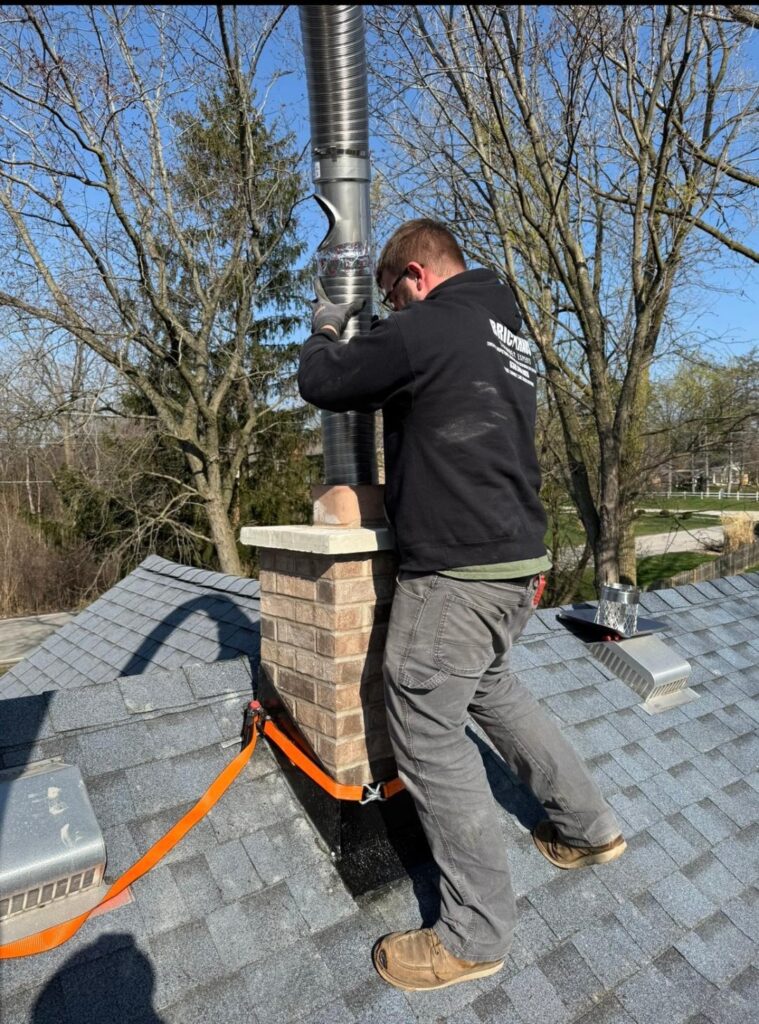
In many situations, stainless steel chimney liners are now required by code when installing or replacing gas appliances. Aluminum liners which most homes have are prone to tearing, hold more moisture and oxidize quickly causing them to deteriorate faster and be more harmful in the long run. The original clay flue liner is great for appliances back in the 50s and 60s that did not operate as efficient or produce as much moisture as new appliances. This isn’t a sales tactic, it’s a safety requirement. Here are a few of the benefits to the stainless steel liner.
Stainless steel liners:
- Properly sized the flue for modern appliances
- Improve draft and appliance performance
- Resist corrosion from acidic condensation
- Protect the masonry chimney structure
- Reduce the risk of carbon monoxide exposure
Unlined or oversized chimneys are no longer considered safe for most modern gas appliances or your home. In fact, many building departments and appliance manufacturers will not approve an installation without a properly installed stainless steel liner.
The Real Cost of Skipping This Step
Skipping a chimney evaluation can lead to:
- Failed inspections
- Voided appliance warranties
Premature chimney/ appliance deterioration
- Costly repairs down the road
- C02 safety risks for your family
A chimney liner installed at the time of appliance replacement is far more affordable than rebuilding a damaged chimney or flue later.
How Brickhaus Chimney Helps
At Brickhaus Chimney we inspect furnace flues for or when appliance changes, Verify code compliance, Install UL-listed stainless steel liners, Work alongside HVAC contractors when needed, Ensure your system is safe, efficient, and built to last. Replacing a gas appliance? Don’t assume your chimney is ready. Contact Brickhaus Chimney today to schedule a professional chimney inspection and liner evaluation before problems start.